
Living in New York City means we are constantly connected. Whether you are checking emails on the subway, staring at spreadsheets in a Midtown office, or unwinding with a Netflix binge in your apartment, screens are an unavoidable part of our daily lives. However, this increased connectivity comes at a cost to our eye health. At our Manhattan practice, we see a rising number of patients complaining of gritty, tired, and irritated eyes—a condition often directly linked to screen use and dry eyes.
When we spend hours in front of digital devices, we often neglect the basic biological functions that keep our eyes comfortable. If you have noticed your vision blurring or your eyes stinging after a long day of work, you are not alone. Digital eye strain is a pervasive issue, but with the right knowledge and habits, you can protect your vision.
Why Screens Make Your Eyes Dry
To understand why screen use causes dry eyes, we first need to look at how we blink. Blinking is essential for spreading tears across the surface of the eye, keeping it moist and smooth. Under normal conditions, the average person blinks about 15 to 20 times per minute. However, studies show that when we focus on a digital screen, our blink rate drops dramatically—often to less than half that number (American Academy of Ophthalmology, 2023). A recent study by Concordia University, published in 2025 stated "blinking is a direct signal of how hard your brain is working to process information. When you’re focused, especially on listening, your eyes dry out because your brain is actively suppressing the blink reflex." This confirms we blink less when we concentrate, leading to higher rates of dryness.
Furthermore, the blinks we do perform while looking at screens are often "incomplete" blinks. Instead of the eyelid fully covering the cornea, the upper lid only partially descends. This leaves a small gap of the eye exposed, leading to faster evaporation of the tear film (Tsubota and Nakamori, 1993).
The Impact of Digital Eye Strain
The medical term for the discomfort caused by prolonged screen use is Computer Vision Syndrome (CVS), also known as Digital Eye Strain. This isn't just one specific condition but a collection of symptoms resulting from sustained digital use. The visual demands of computer screens are unique because the letters on a screen are not as sharply defined as those on a printed page. The level of contrast between the background and the characters is often lower, and the presence of glare and reflections on the screen forces our eyes to work harder to maintain focus (American Optometric Association, n.d.).
Common Symptoms
If you are experiencing screen use and dry eyes, you may recognize several of these symptoms:
- **Dryness and Grittiness:** A sensation of having sand in your eyes.
- **Redness:** The whites of the eyes may look bloodshot.
- **Blurred Vision:** Difficulty focusing, especially when looking away from the screen and back again.
- **Eye Fatigue:** A general feeling of tiredness or heaviness in the eyelids.
- **Headaches:** Often radiating from the forehead or behind the eyes.
Practical Tips for Relief
While it is unlikely that you can quit your job or throw away your smartphone, there are effective strategies to mitigate the effects of screen use on your dry eyes. We recommend the following practical adjustments to our patients in NYC and beyond.
The 20-20-20 Rule
This is the gold standard for reducing digital eye strain. Every 20 minutes, take your eyes off the screen and look at something 20 feet away for at least 20 seconds. This simple exercise relaxes the focusing muscle inside the eye and reduces fatigue. Setting a timer on your phone can help you build this habit until it becomes second nature.
Conscious Blinking
Because we naturally blink less when staring at screens, we must make a conscious effort to blink more. Try to perform "full" blinks—squeezing the eyelids gently together—to ensure the tear film is refreshed completely. We recommend doing this exercise deliberately every time you complete a task or send an email.
Optimize Your Environment
Your workspace setup plays a significant role in eye comfort. Ensure your computer screen is positioned about an arm's length away from your face, with the top of the monitor at or slightly below eye level. This positioning encourages your eyelids to hang lower, covering more of the eye and reducing tear evaporation. Additionally, try to avoid having a window directly in front of or behind your monitor to minimize glare. If you work in a dry office environment, consider using a humidifier to add moisture back into the air.
Artificial Tears
For immediate relief, over-the-counter lubricating eye drops (artificial tears) can be very helpful. However, not all drops are created equal. We recommend avoiding "redness relief" drops, as these often contain vasoconstrictors that can make dryness worse over time. Instead, look for preservative-free artificial tears to soothe dryness without irritating the ocular surface. You can use these drops proactively before you start feeling the strain, such as right before sitting down for a long work session.
When to See Dr. Latek
While these home remedies are effective for mild cases, chronic dry eye requires professional attention. If you find that your symptoms persist despite these adjustments, or if your vision fluctuates significantly, it is time to schedule a comprehensive . Chronic dry eye can damage the corneal surface if left untreated.
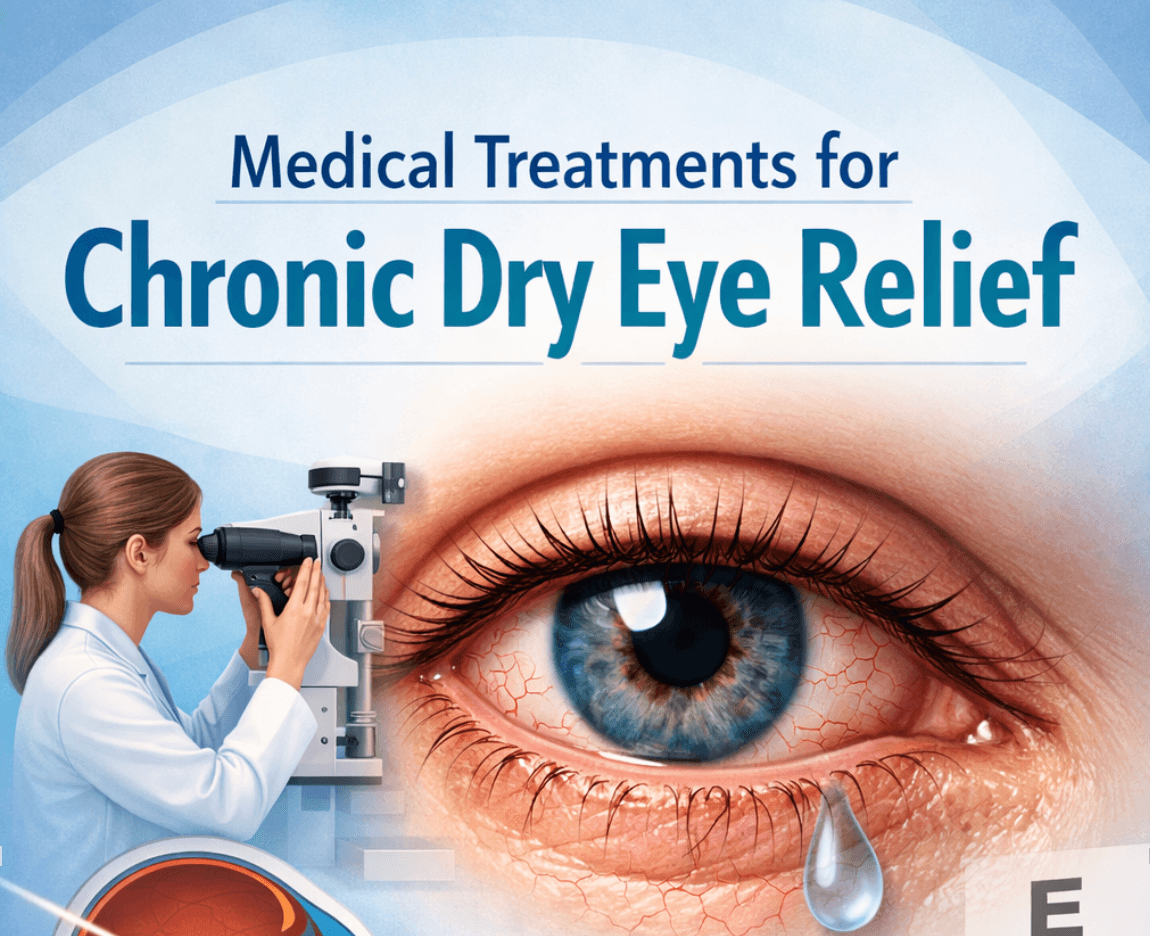
At The NYC Optometrist, Dr. Joanna Latek provides thorough dry eye evaluations to determine the root cause of your discomfort. We use advanced diagnostic tools to measure tear quality and volume, allowing us to create a personalized treatment plan. This may include prescription eye drops, punctal plugs to conserve tears, or recommendations for specific in-office treatments.
Living in a digital-first city doesn't mean you have to suffer from uncomfortable eyes. By being mindful of your screen habits and seeking professional care when needed, you can maintain healthy, comfortable vision for years to come.
Ready to find relief from dry eyes? Contact our Manhattan office today to schedule your appointment with Dr. Latek.