Living Well With Vision Loss: What a Low Vision Exam Can Do That Glasses Can't
A low vision exam is different from a regular eye exam. It's not about prescribing new glasses. It's about helping someone whose vision can't be fully corrected with glasses, surgery, or medicine get back to doing the things that matter to them.
I see patients who have macular degeneration, glaucoma, diabetic retinopathy, stroke-related field loss, or inherited conditions like retinitis pigmentosa. By the time they reach me, they've usually been told "there's nothing more we can do for your glasses prescription." That's true. But it's not the end of the conversation.
Routine exam vs low vision exam
A routine comprehensive eye exam focuses on eye health and prescription. A low vision exam focuses on function. What can you actually do with the vision you have, and how can we change that?
The low vision exam takes longer — sometimes 60 to 90 minutes. I start with a detailed conversation about your goals. Not "read the chart" goals. Real goals: read the mail. See the dial on the oven. Recognize faces across the room. Walk safely to the corner store. Sign a check. Use a smartphone. These goals shape the whole visit.
Then I measure your vision at distance and near using low-vision charts — these are calibrated for the range of acuity we're working with, so we get useful data instead of just "count fingers at three feet." I'll also test with your current glasses on, because the question isn't what your prescription is — it's what you can functionally see.
I'll map your visual field, especially if glaucoma or stroke has affected parts of it. I'll assess contrast sensitivity, which is often more impactful than acuity for daily function (a high-contrast eye chart can look fine while low-contrast real-world tasks like reading grey-on-grey labels become impossible). And I'll look at how you're using magnification now, if at all.
What I don't do is repeat the medical management of your underlying disease. Your retina specialist or glaucoma specialist handles that — and if you're looking for ongoing eye surgery co-management, that's a separate track. My job is to maximize the vision that's left.
Setting goals you can actually measure
This part surprises people. Vague goals don't help. "See better" isn't a goal. "Read the dosage on my medication bottles" is a goal.
I work with patients to write down two or three specific tasks they want to regain. Sometimes it's reading the newspaper. Sometimes it's seeing the conductor on a subway platform. Sometimes it's being able to watch their grandchild's school play from the back row.
We measure baseline — can you do this task now, with your current glasses, at what distance? Then we work toward it. Six weeks later, we check: can you do it now? Did the device work? Is the training holding?
This is one of the few places in optometry where progress is binary and tangible. Either you can read the medication bottle or you can't. That clarity helps. I had a patient last year with advanced macular degeneration whose main goal was reading her weekly book club novel. We landed on a portable video magnifier and a lighting change at her reading chair. She finished her book on time. That was the win.
Magnifiers, telescopes, and digital aids that restore independence
Low vision aids aren't one-size-fits-all. Here's what's in the toolbox.
Magnifiers. Handheld, stand, or illuminated. The simpler the better, usually. For reading, a stand magnifier with LED lighting handles most tasks. For shopping, a pocket magnifier with a built-in light. The strength is chosen for your acuity — too weak doesn't help, too strong narrows the field of view.
Telescopes. For distance tasks — watching TV, seeing a stage, recognizing faces. Some are handheld (monoculars), some mount onto glasses. They take training to use well, but for the right goal they're a meaningful gain.
Electronic video magnifiers (CCTVs). A camera feeds to a screen, allowing variable magnification, contrast reversal (white text on black is easier for many AMD patients), and color enhancement. Desktop versions for reading mail and recipes, portable versions for shopping. These are the most flexible tools we have.
Digital tools. Smartphone accessibility features are powerful now — VoiceOver, magnification gestures, high-contrast modes, screen readers. Many of my patients had no idea their phone could do this much for them.
Text-to-speech and audiobooks. Free services like Bookshare and the National Library Service for the Blind and Print Disabled exist specifically for this. The barrier isn't access — it's knowing the services exist.
I often loan devices before recommending purchase. Trial matters. A $400 magnifier that sits in a drawer helps no one. I'd rather find the right fit first.
Lighting and contrast changes that help at home
Half the gain in low vision comes from devices. The other half comes from the environment.
Lighting. The single most impactful change most patients make. Standard ceiling fixtures aren't enough for someone with vision loss. I recommend dedicated task lighting — a gooseneck floor lamp with a cool, bright LED bulb, positioned close to the task. Light color matters: a daylight-balanced bulb (around 4000K to 5000K) tends to work better than warm yellow for most patients with retinal disease.
Contrast. Dark electrical tape on the edge of light stairs. A dark cutting board for light vegetables (and a light one for dark food). Black foam under a white plate. Raised bump dots on the start button of a microwave. These are small, cheap, and effective.
Decluttering. Vision loss makes pattern recognition harder. A clear countertop, a consistent place for keys, fewer tripping hazards — these help more than you'd think.
Smart home. Voice-controlled lights, speakers, doorbells, and thermostats give back control without needing to read small displays.
I'll sometimes do a home walkthrough with patients, or refer to an occupational therapist who specializes in low vision. These changes are unglamorous and often free. They're where independence lives.
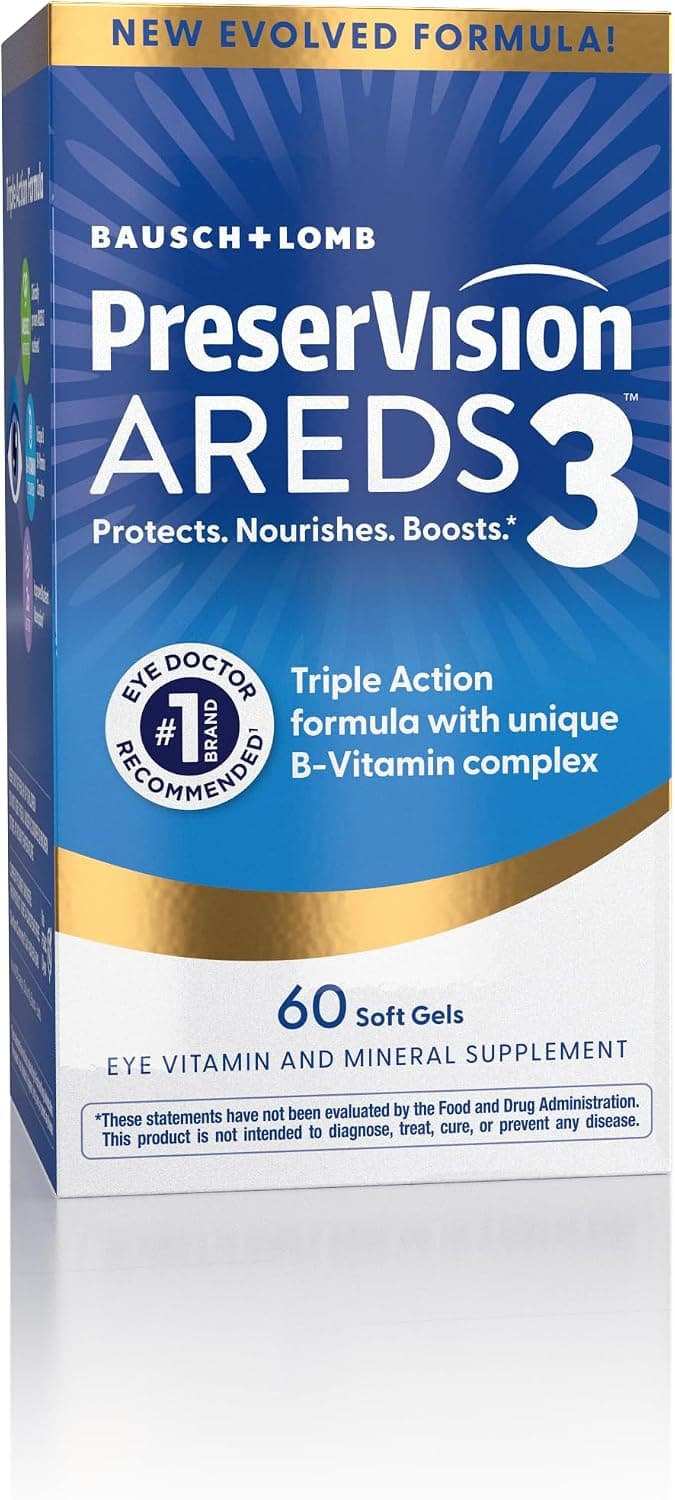
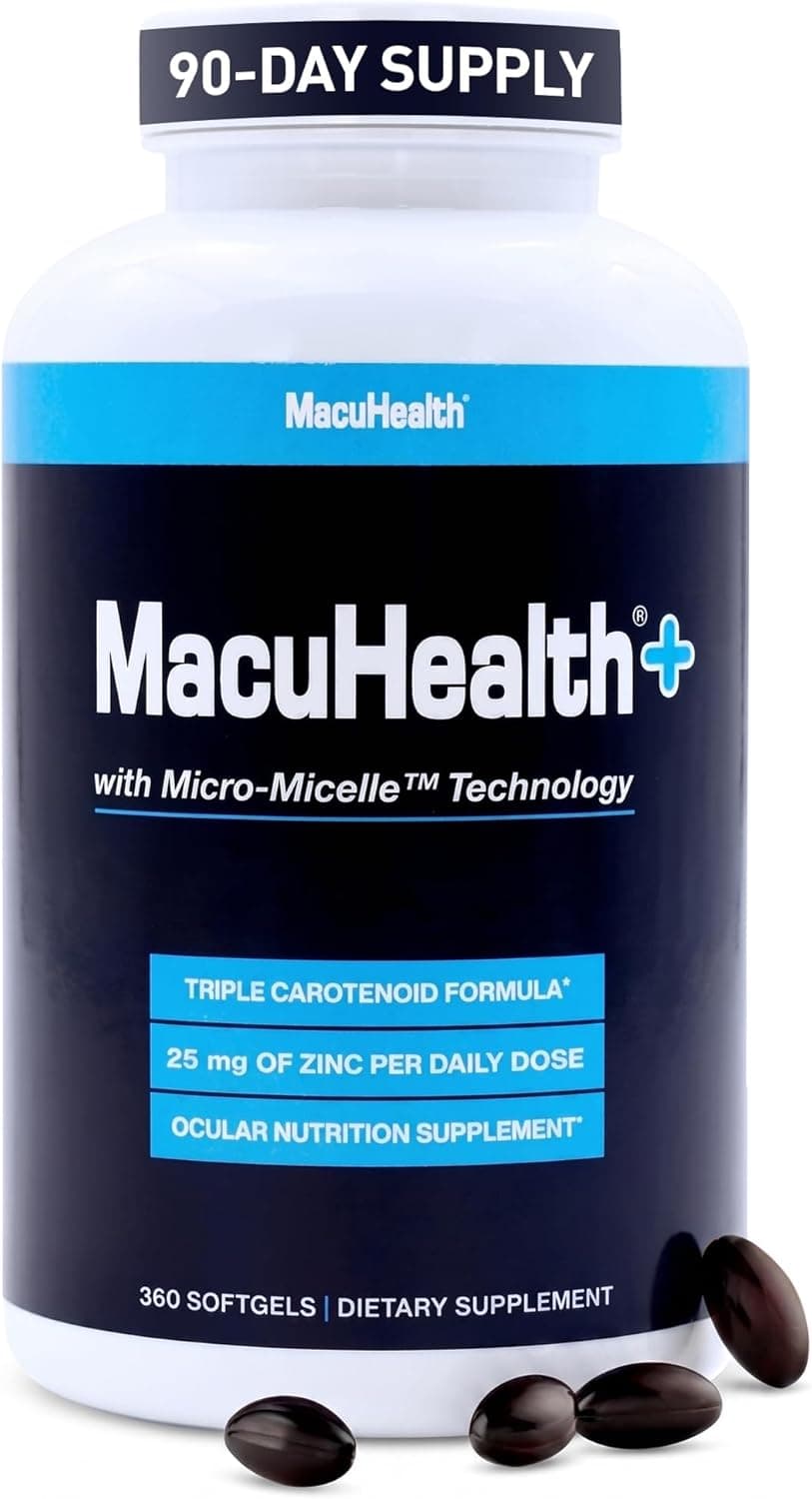
One note on nutrition: for macular degeneration specifically, the AREDS2 formulation (a specific combination of vitamins C and E, lutein, zeaxanthin, zinc, and copper) has been shown in large randomized trials to slow progression in intermediate cases. It's not a low-vision aid per se, and it's not appropriate for everyone (smokers in particular need a different formulation), but it's worth discussing with me or your retina specialist if AMD is the underlying cause.
When we connect you with the Lighthouse Guild
I can do a lot in the exam room. But for many patients, the bigger unlock is community resources, and in NYC the Lighthouse Guild is the standard. They offer vocational rehabilitation, technology training, support groups, in-home assessments, and help navigating benefits and transportation. The American Foundation for the Blind and VISIONS/Services for the Blind are also excellent local options.
I make these referrals routinely — not because I can't help, but because no single provider can do everything, and the Lighthouse Guild has resources I don't. If you've been told your vision loss is permanent and you haven't been connected to them, that's a gap we should close.
Thinking about a low vision exam?
I see patients at Eye & Health in the East Village. If you or someone you care for is living with vision that can't be fully corrected, you can book online — usually within the week.
This is not medical advice. Please consult your eyecare professional or schedule an eye appointment today.