Thinking About LASIK? What a Laser Vision Consultation Tells You Before You Commit
I see two kinds of patients who want to talk about laser vision correction. The first has already been to a LASIK clinic, been told they're a perfect candidate, and left with a quote and a sense that something was missing. The second is thinking about it for the first time and doesn't know where to start. Both deserve an honest conversation that isn't tied to a surgeon's schedule that day.
Laser vision correction is, for the right person, genuinely life-changing. It's also surgery on a healthy eye, and the clinics that perform it have a financial incentive to say yes. That's not a dig at surgeons — most are excellent — but the structure matters. A consultation that happens in my chair, where I'm not the one doing the procedure, is a different conversation than the one that happens in the surgeon's office.
Why an independent consult beats a surgeon's sales pitch
The mechanics of a LASIK consult at a surgery center are worth understanding. You'll typically get imaging, a refraction, and a meeting with a counselor or surgeon who reviews your numbers and gives you a price. The price often comes with financing options and a time-sensitive discount. None of that is inherently wrong, but the pace leaves little room for the questions that actually determine whether surgery is a good idea for you.
When I do a laser vision consultation, I'm not selling the procedure. I'm trying to figure out, with you, whether it's the right call — and if so, which variant, which surgeon, and what timing. Sometimes the answer is yes, go do it. Sometimes it's wait a year. Sometimes it's consider Ortho-K instead, which gives you a reversible version of a similar outcome without permanently reshaping the cornea. And sometimes it's stay in glasses, which is a perfectly fine answer too.
The consult also sets up co-management if you do proceed. I do the pre-op measurements, refer you to a surgeon I trust, and handle your post-op care. Your surgeon sees you on the day of the procedure. I see you for everything else, and I know your eyes from before.
What we measure (corneal thickness, prescription stability, dry-eye risk)
Candidacy comes down to a handful of measurements. Here's what I'm actually looking at when I evaluate someone for laser vision correction.
Prescription stability. Your prescription needs to be stable before surgery makes sense, because the laser reshapes your cornea to match your current prescription — if your eyes keep changing afterward, the result drifts. I like to see at least a year of refractive stability, ideally two, with less than 0.50 diopters of change. If your last two prescriptions are still moving, we wait. A comprehensive eye exam pulls your history and tells us this quickly.
Corneal thickness. Laser vision correction removes tissue from the cornea, so the cornea needs to be thick enough to begin with. A normal central cornea is around 540 microns. For LASIK, the standard safety margin is a residual stromal bed of at least 250 microns left after the flap and the laser ablation, to keep the cornea structurally stable. I measure thickness directly with pachymetry, and if you're on the thinner side, that pushes us toward PRK or SMILE rather than LASIK — or, occasionally, away from surgery entirely.
Corneal shape. I map your cornea with topography. The main thing I'm screening for is keratoconus — a condition where the cornea thins and bulges into a cone shape — or its early form, called forme fruste keratoconus. Operating on a cornea with keratoconus can cause catastrophic thinning called ectasia. Topography also shows regular astigmatism, scars, and anything else that affects the laser plan.
Pupil size. Large pupils in dim light matter because the laser treats a fixed optical zone. If your pupil dilates wider than that zone at night, you can get halos and glare around lights. It's not always disqualifying, but it changes the conversation about which procedure and what zone size to use.
Dry-eye risk. This is the one that gets glossed over most often, and it deserves its own section below. The short version: surgery cuts corneal nerves, and cut nerves mean fewer reflex tears. If you already have dry eye, surgery makes it worse — sometimes for months, occasionally longer.
LASIK vs PRK vs SMILE in plain English
These are the three main laser procedures, and they differ mostly in how they get to the corneal tissue that needs reshaping. The laser that does the actual reshaping — the excimer laser — is similar across LASIK and PRK, while SMILE uses only a femtosecond laser.
LASIK. A femtosecond laser creates a thin hinged flap in the cornea, typically 100 to 180 microns thick. The surgeon lifts the flap, the excimer laser reshapes the tissue underneath, and the flap goes back down. Recovery is fast — most people see well the next day. The trade-off is the flap itself: it never fully heals, and a serious eye trauma years later can dislocate it. Creating the flap also cuts more corneal nerves, which is why LASIK has more post-op dry-eye risk than SMILE.
PRK (photorefractive keratectomy). No flap. The surgeon removes the surface layer of cells (the epithelium), applies the laser directly to the corneal surface, and a bandage contact lens goes on while the epithelium regrows over a few days. Recovery is slower and more uncomfortable — think 3 to 7 days of scratchy, light-sensitive vision before things start to clear. PRK is what I lean toward for thin corneas, for people who do contact sports or military work where eye trauma is a real possibility, and for certain corneal shapes that don't suit a flap. Once healed, the end result is equivalent to LASIK.
SMILE (small incision lenticule extraction). The newest of the three. A femtosecond laser creates a disc of tissue (a lenticule) inside the cornea, which the surgeon removes through a small incision about 2 to 4 millimeters wide. No flap. Fewer corneal nerves are cut, which generally means less post-op dry eye. A 2024 review pooling 38 studies and nearly 4,900 eyes confirmed that SMILE patients report fewer dry-eye symptoms and better corneal sensitivity at six months than FS-LASIK patients, while both procedures remain safe, effective, and predictable overall. SMILE is well established for myopia, less so for hyperopia and higher astigmatism. Not every surgeon offers it, and not every prescription is within its range.
There is no single best procedure. The right answer depends on your measurements, your lifestyle, and the trade-offs you're willing to accept. This is exactly the kind of decision that benefits from a conversation in a chair that isn't attached to a laser.
The dry-eye caveat most clinics skip
Every laser procedure disrupts the corneal nerves that drive the blink-tear reflex. The result is a predictable spike in dry-eye symptoms after surgery — grittiness, burning, fluctuating vision — that typically peaks in the first weeks and resolves over 3 to 6 months. For some patients it lingers longer.
Here's the part that matters: pre-existing dry eye is the single biggest predictor of a rough recovery. If you walk into surgery with undiagnosed meibomian gland dysfunction — and a lot of people have it without knowing — you're more likely to have a tough few months afterward. This is why I evaluate the ocular surface as part of the consult rather than treating it as an afterthought. The 2025 TFOS DEWS III report specifically flags refractive surgery as one of the leading causes of iatrogenic (treatment-caused) dry eye, and recommends treating any pre-existing dry eye before elective surgery, not after. If you have dry-eye signs, I want to treat them before surgery, not after. The dry eye evaluation walks through exactly what we measure and why.
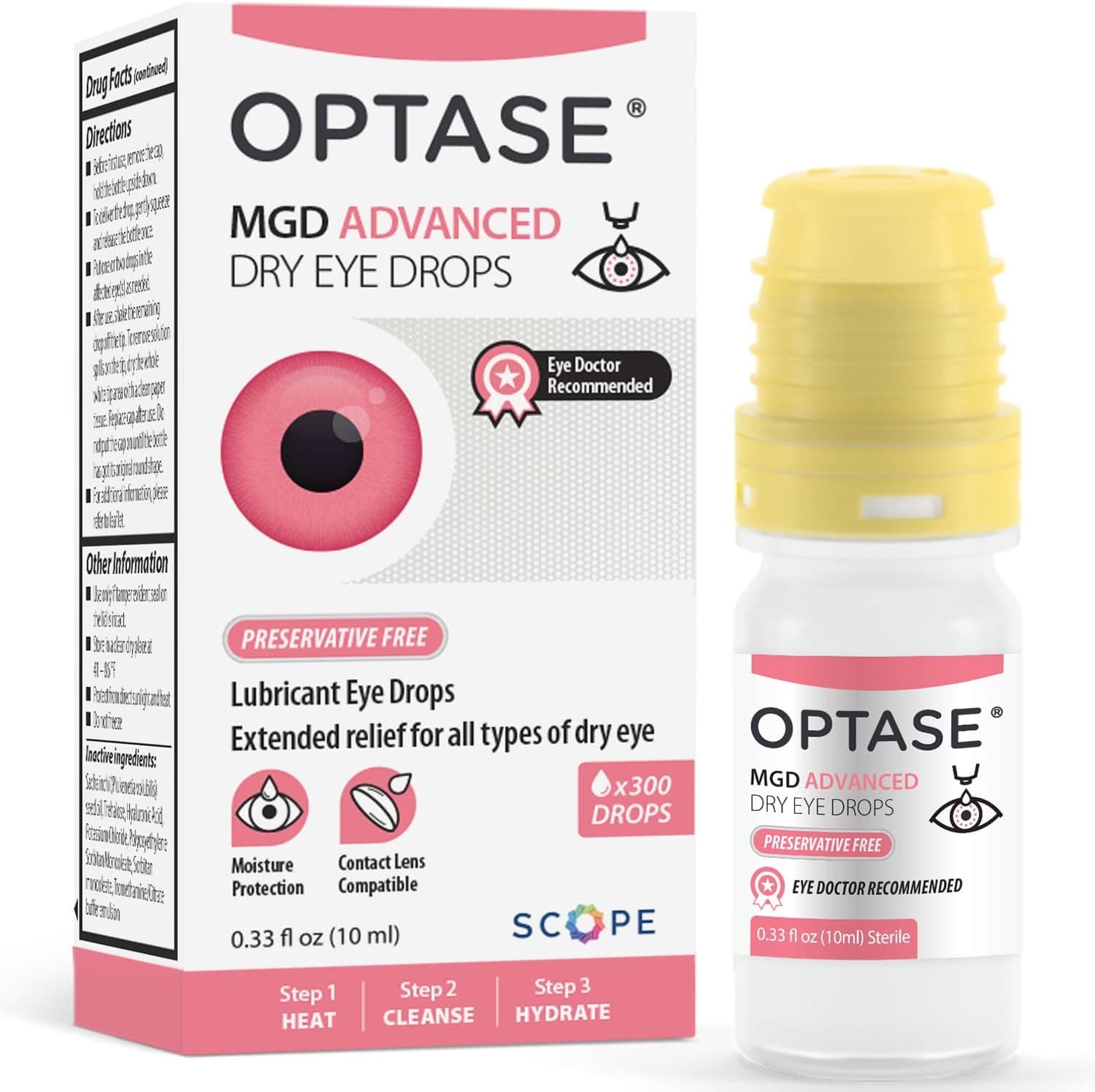
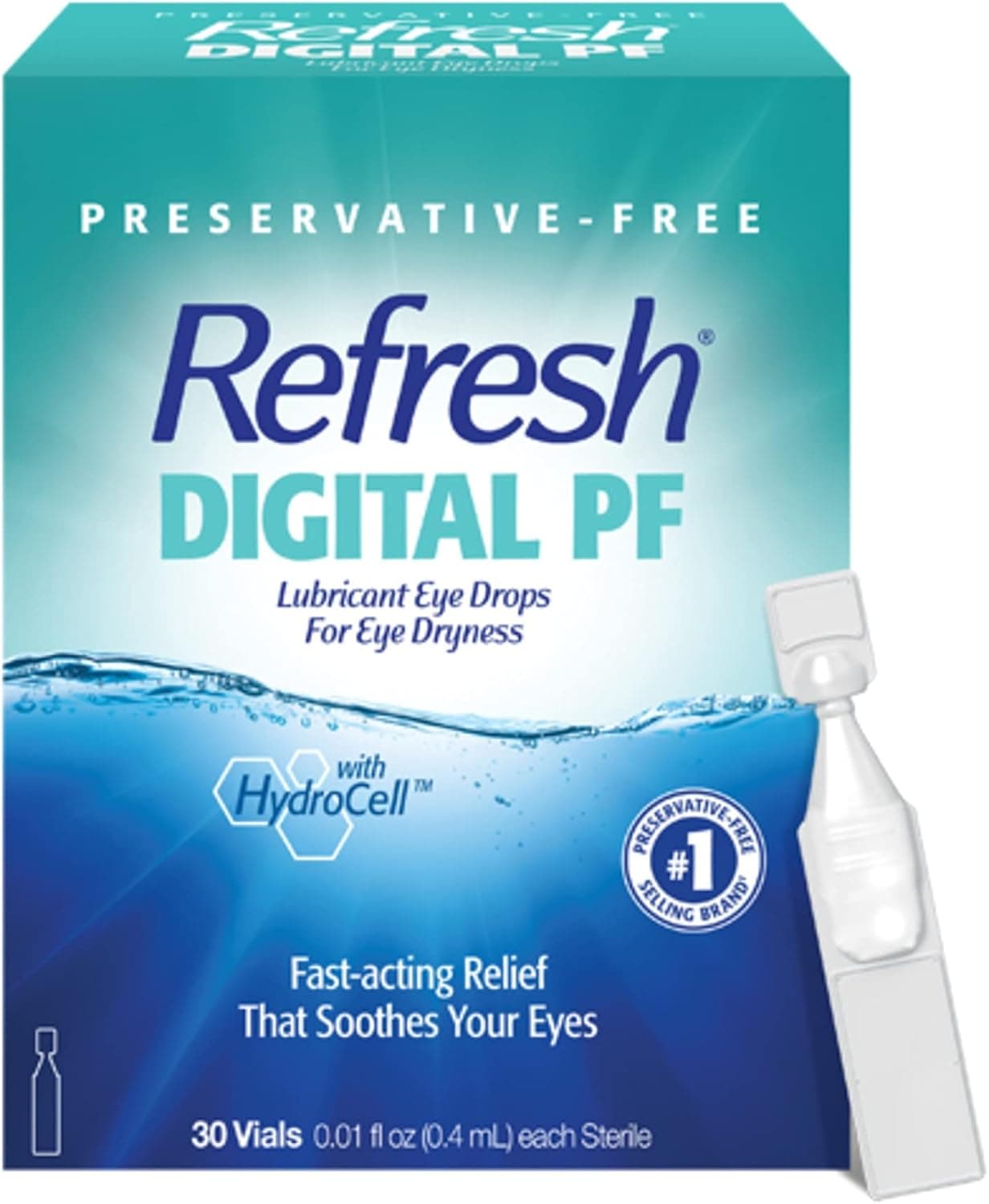
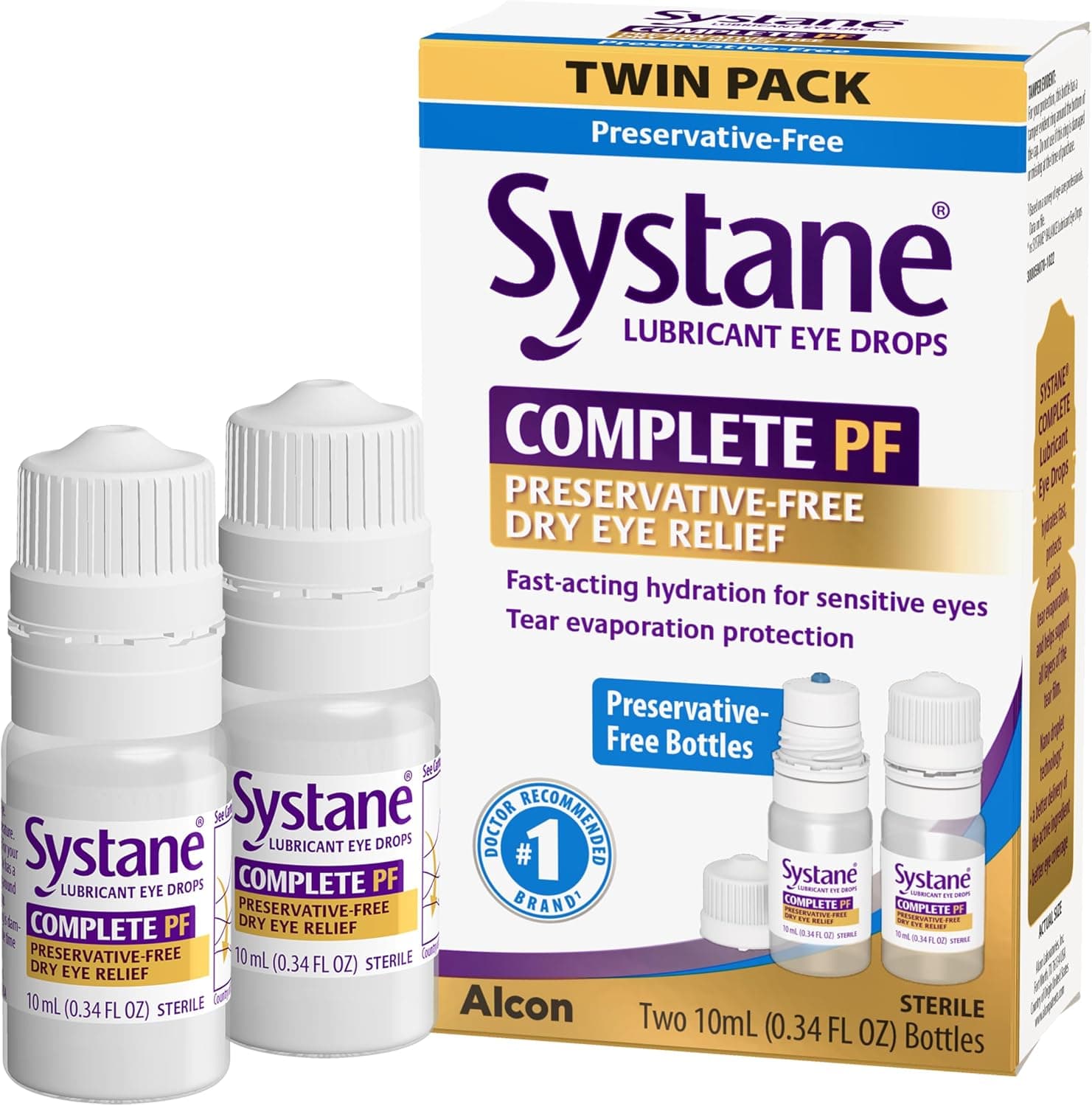
For everyone, regardless of baseline, I have patients use preservative-free artificial tears frequently for the first months after surgery. Preservative-free specifically — the preservatives in bottled drops, used four or more times a day, become toxic to a healing cornea. Preservative-free tears in single-use vials are a category I recommend stocking up on before surgery day. If a clinic's quote doesn't include any discussion of dry-eye management, that's a flag.
When to wait — and when laser makes sense
There are situations where I tell patients to hold off. Your prescription isn't stable. You have signs of dry eye we haven't treated. You're pregnant or nursing, and hormonal shifts are temporarily changing the prescription. You have an autoimmune condition that affects healing. You're 19 and your eyes may not have settled yet. In all of these, waiting is the right call, and we revisit in a year.
And there are situations where the case for surgery is strong. You're in your late twenties to early forties, your prescription has been stable for years, your corneas are healthy and thick enough, your eyes aren't dry, and you have a clear reason for wanting to be out of glasses or contacts — comfort, sports, work, or just being done with it. For that patient, laser vision correction is a reasonable, well-studied choice, and I'm happy to help them get there.
Either way, the point of the consult is to make the decision deliberately. Not on a discount deadline, not because a counselor said you were a perfect candidate after a 20-minute screening, but because you understand the measurements, the trade-offs, and what your particular eyes mean for your particular outcome.
Thinking about laser vision correction?
I see patients at Eye & Health in the East Village. If you'd like an independent consultation to find out whether laser vision correction makes sense for you — and which procedure, if any, is the right fit — you can book online — usually within the week.
This is not medical advice. Please consult your eyecare professional or schedule an eye appointment today.